
Copy the Best: Omaha's Top Eco-Friendly Organizations of 2025
A Recap of the 2025 Hillside Impact Awards Gala
Something Big Happened in Omaha
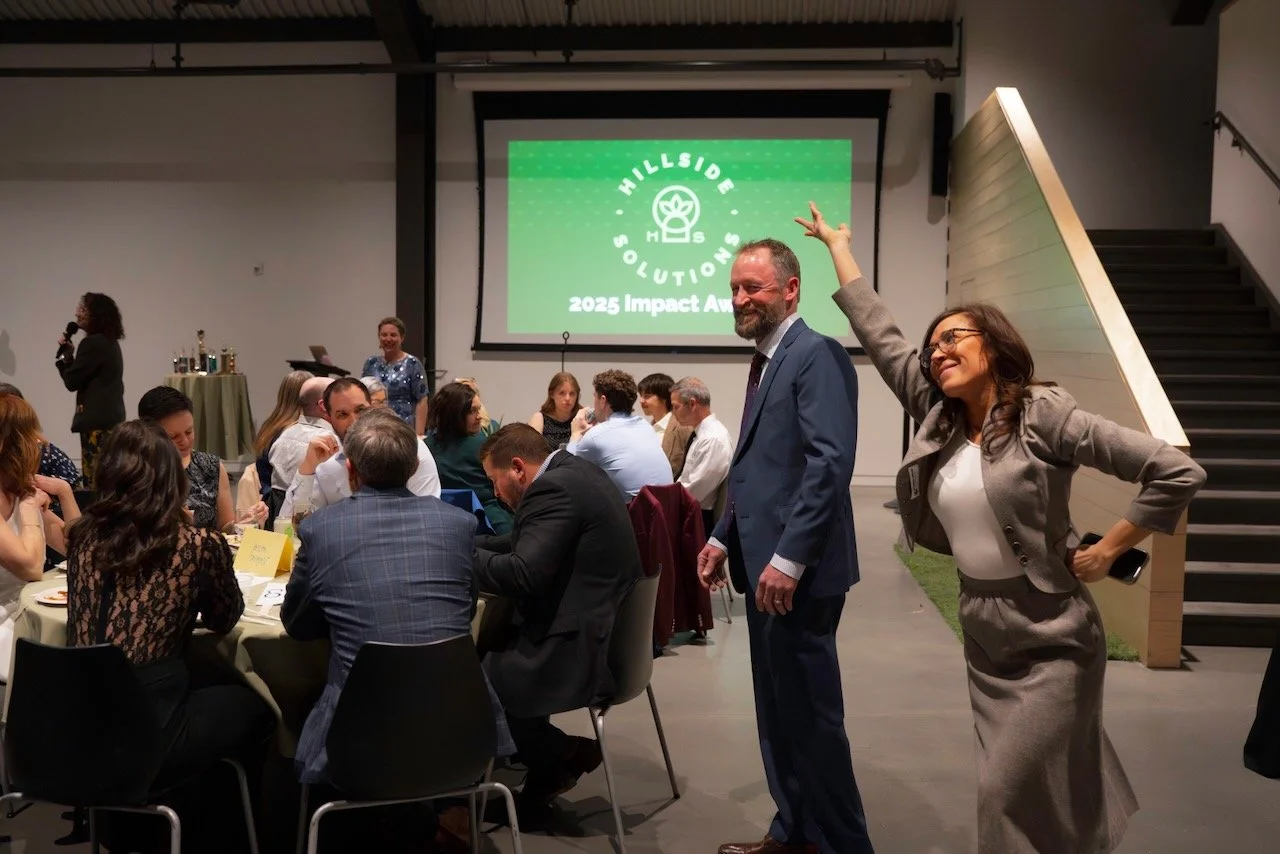

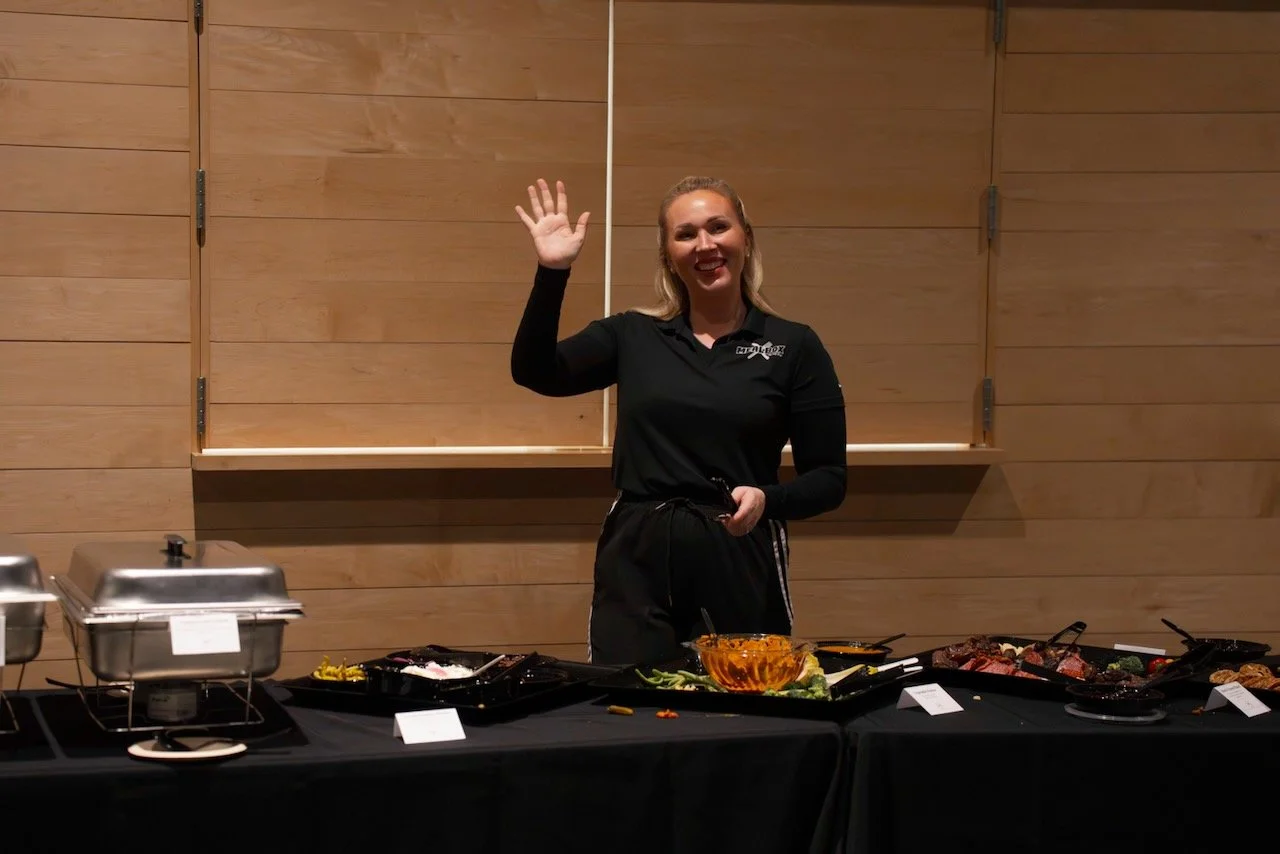

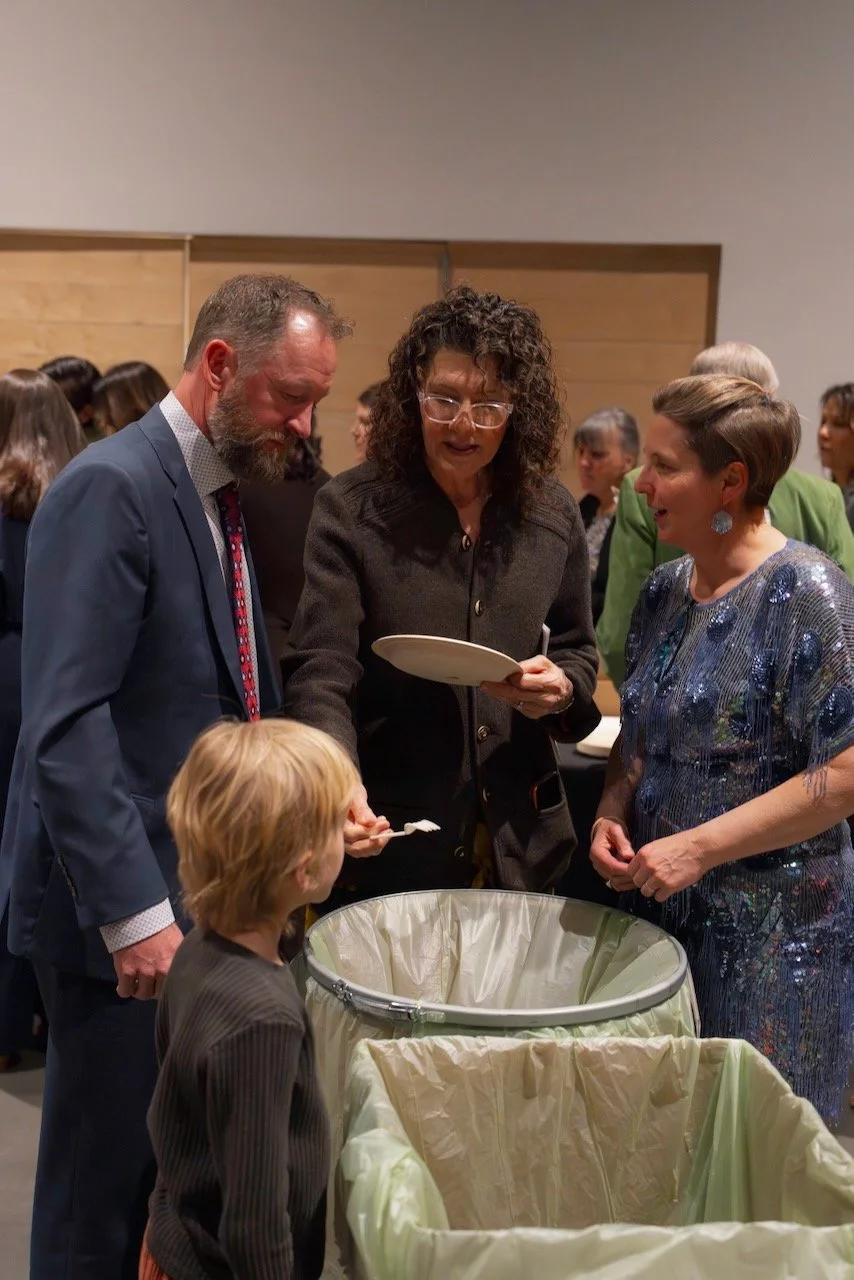
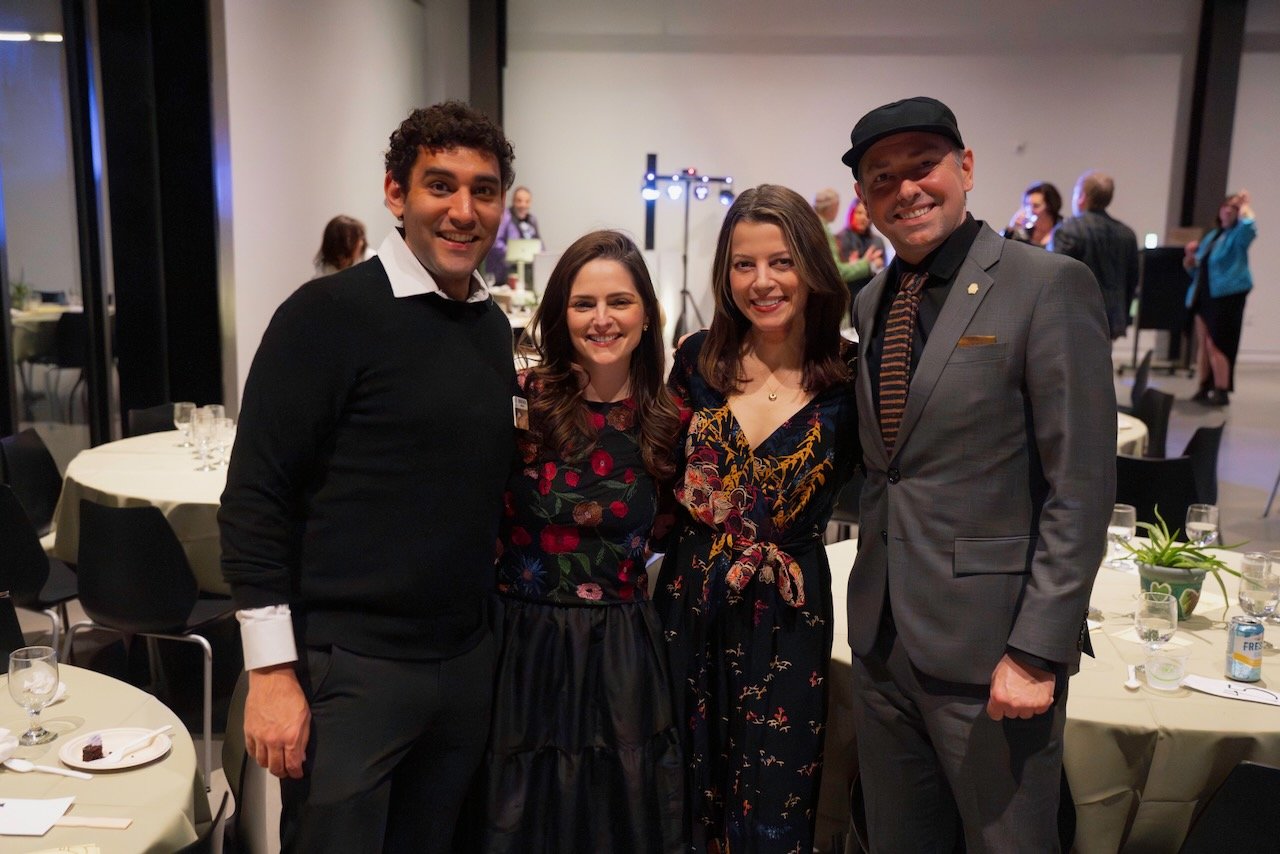
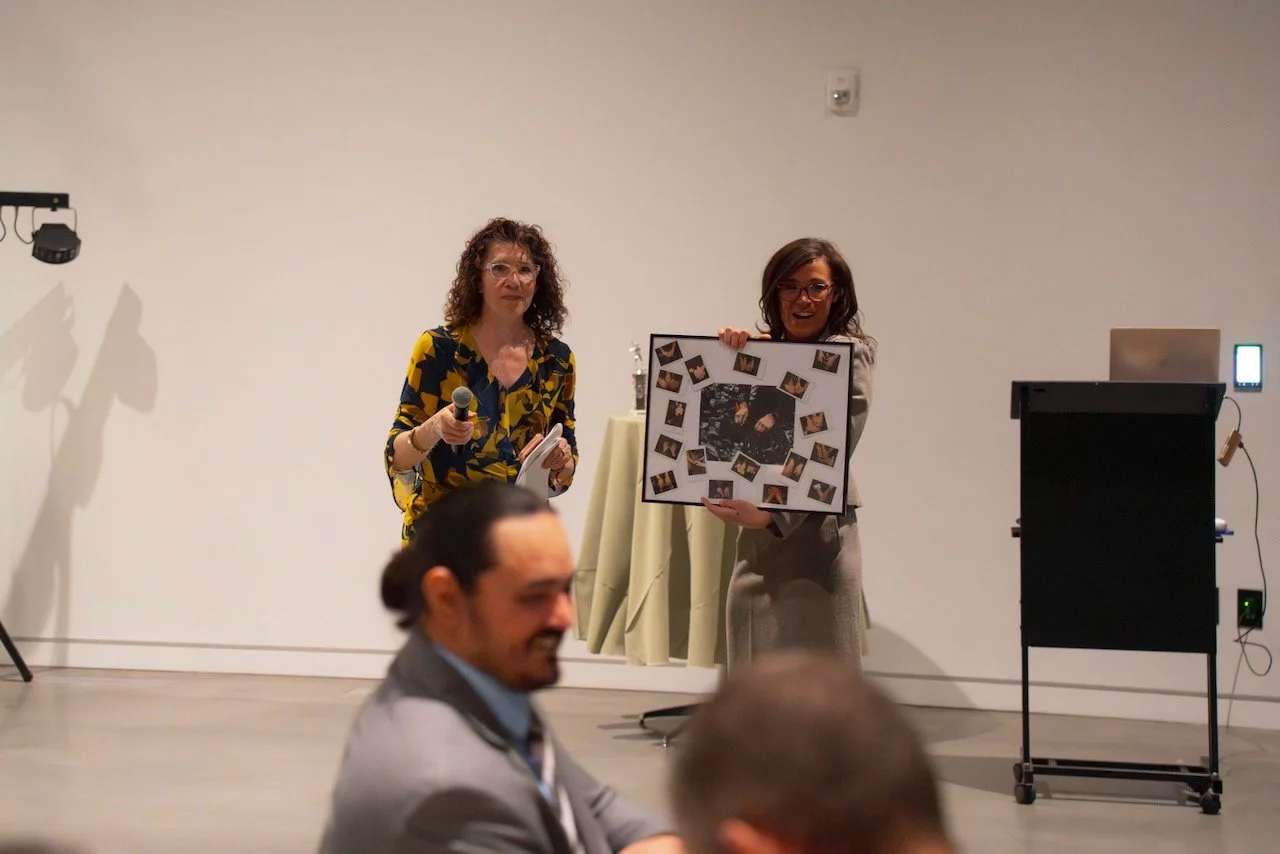
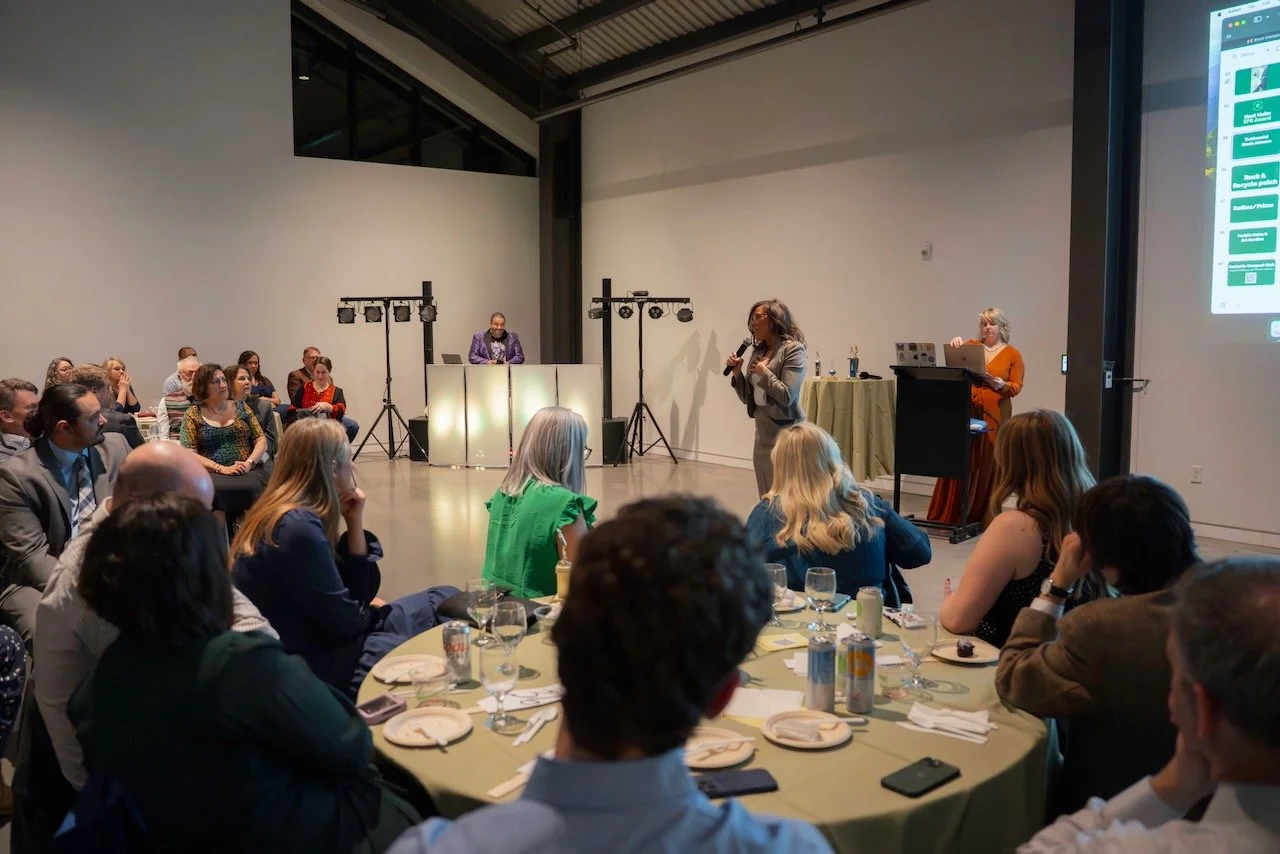
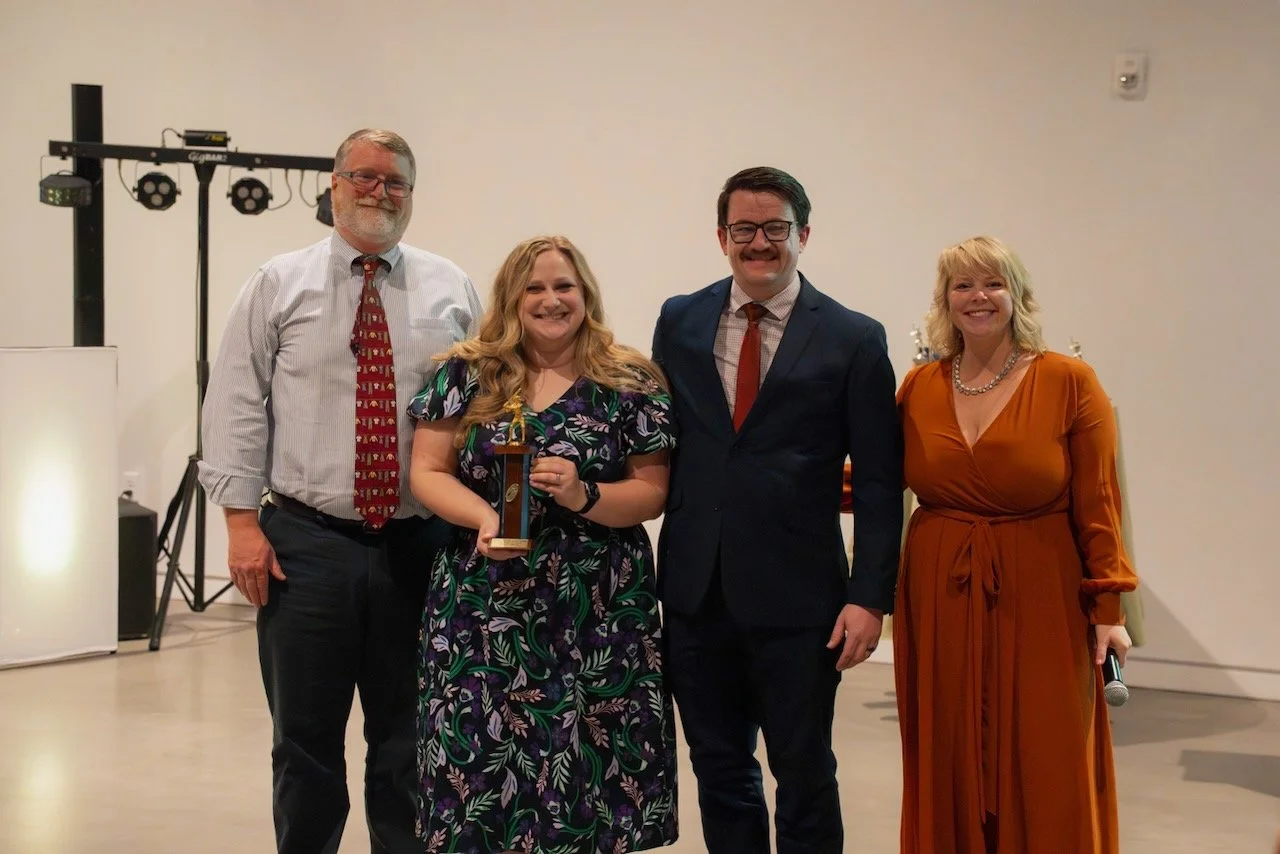
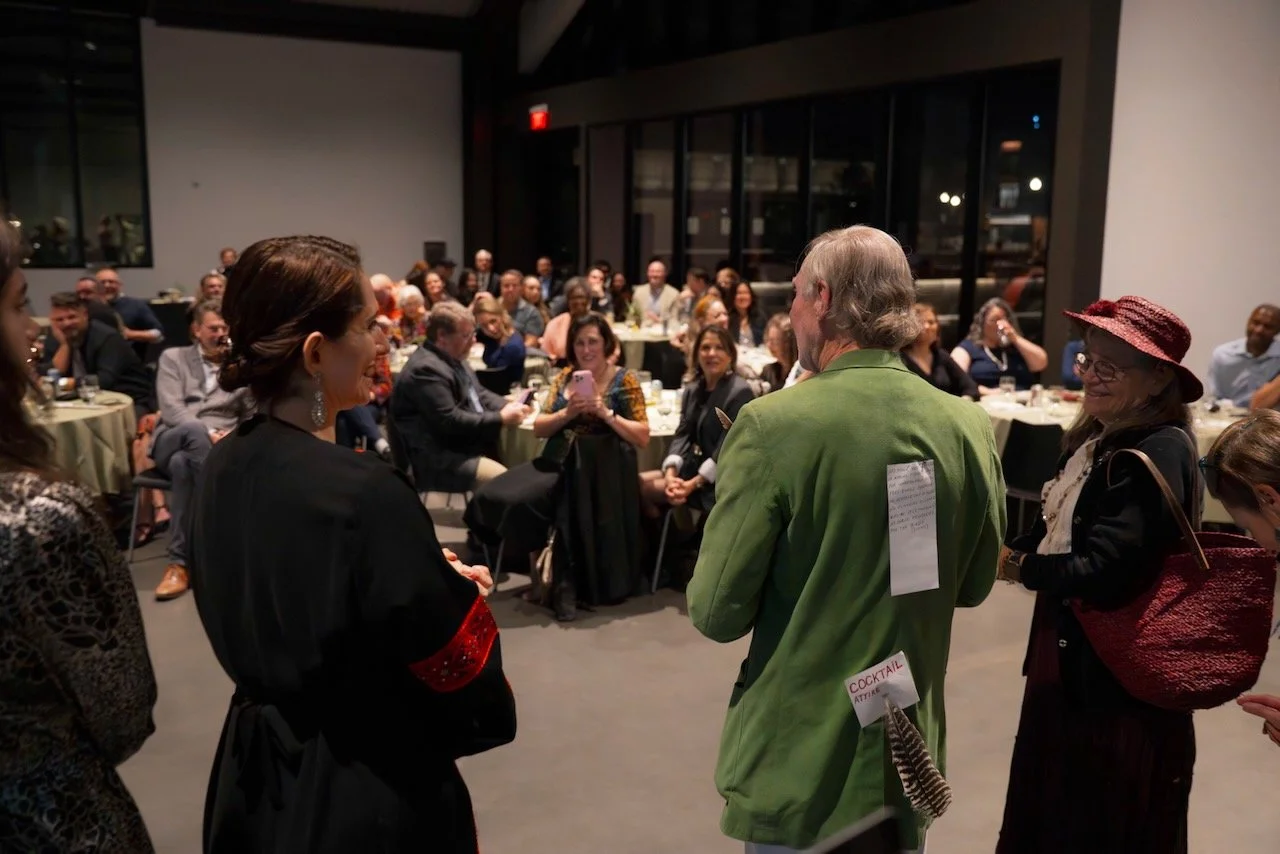
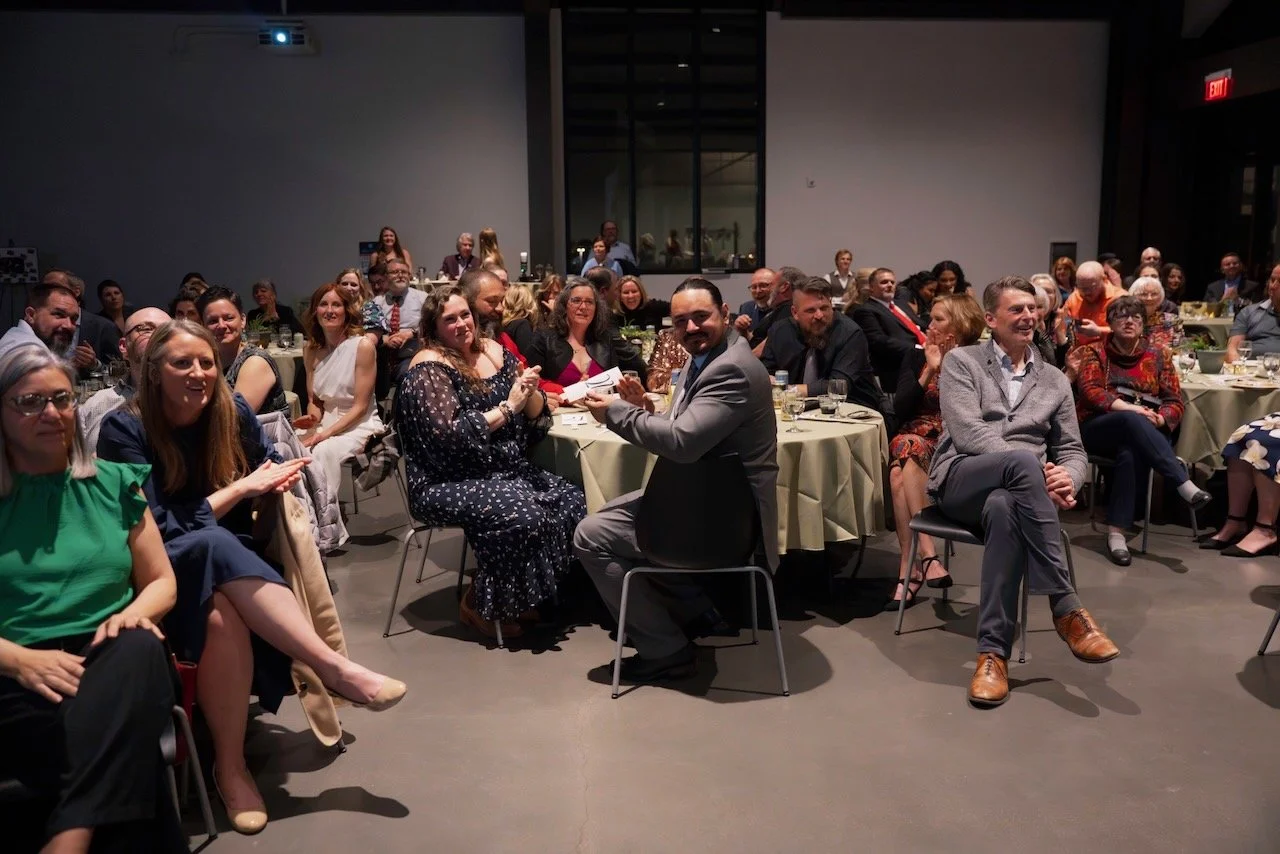
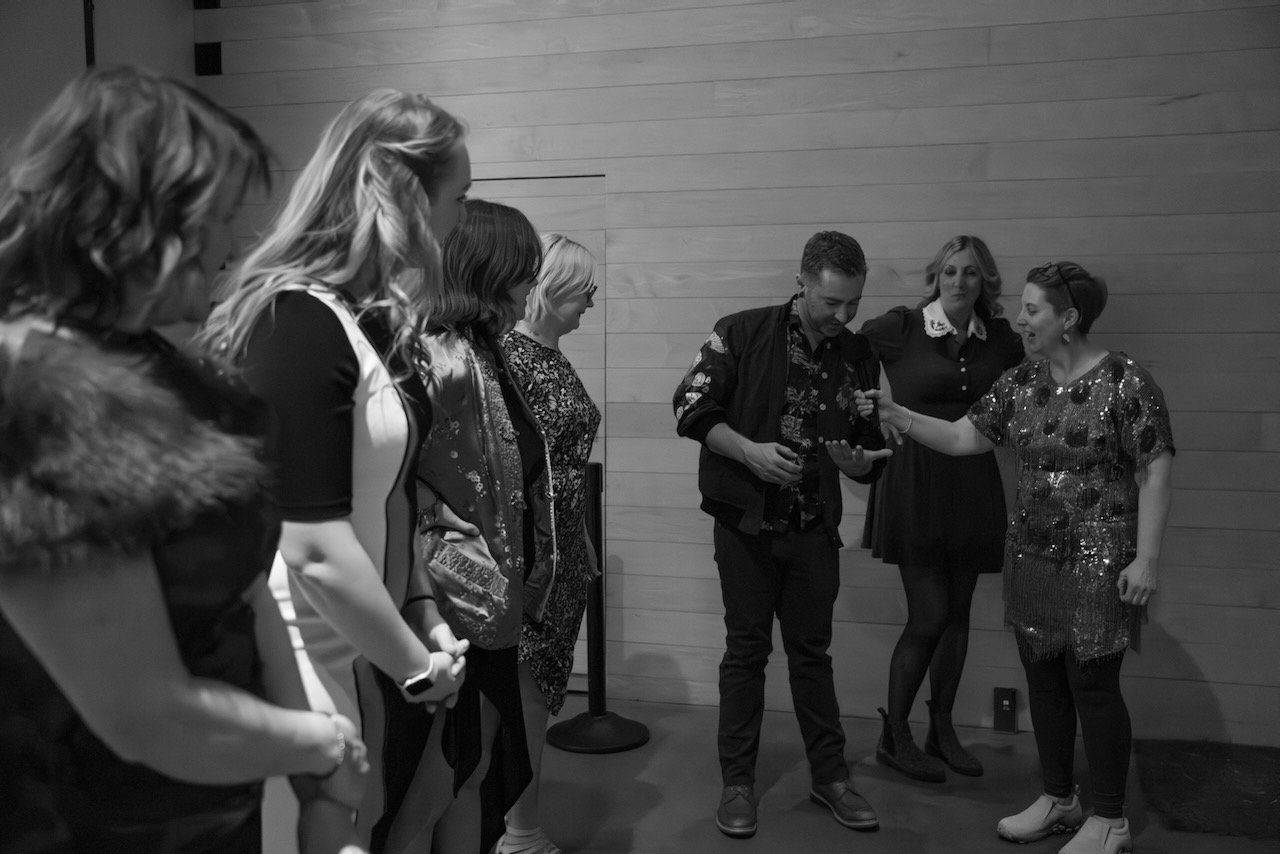
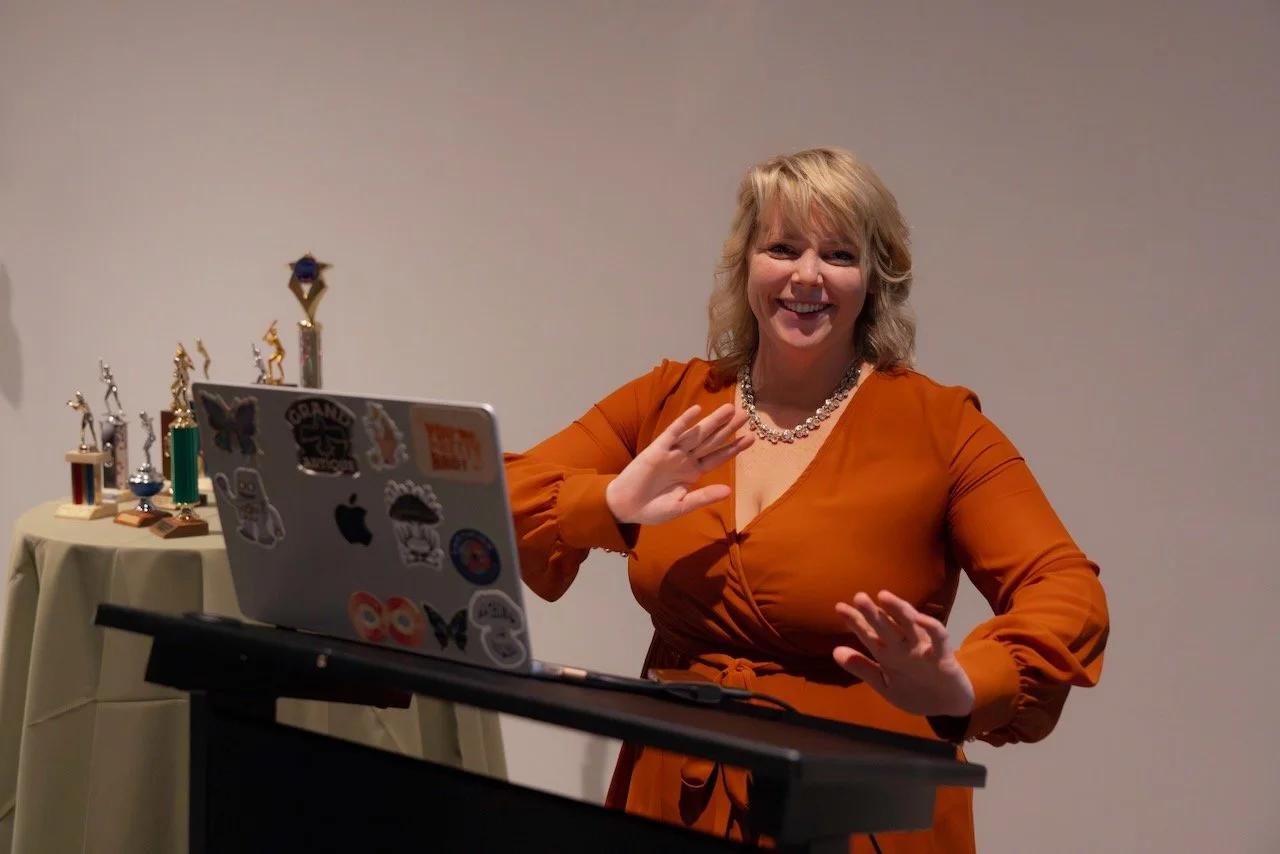
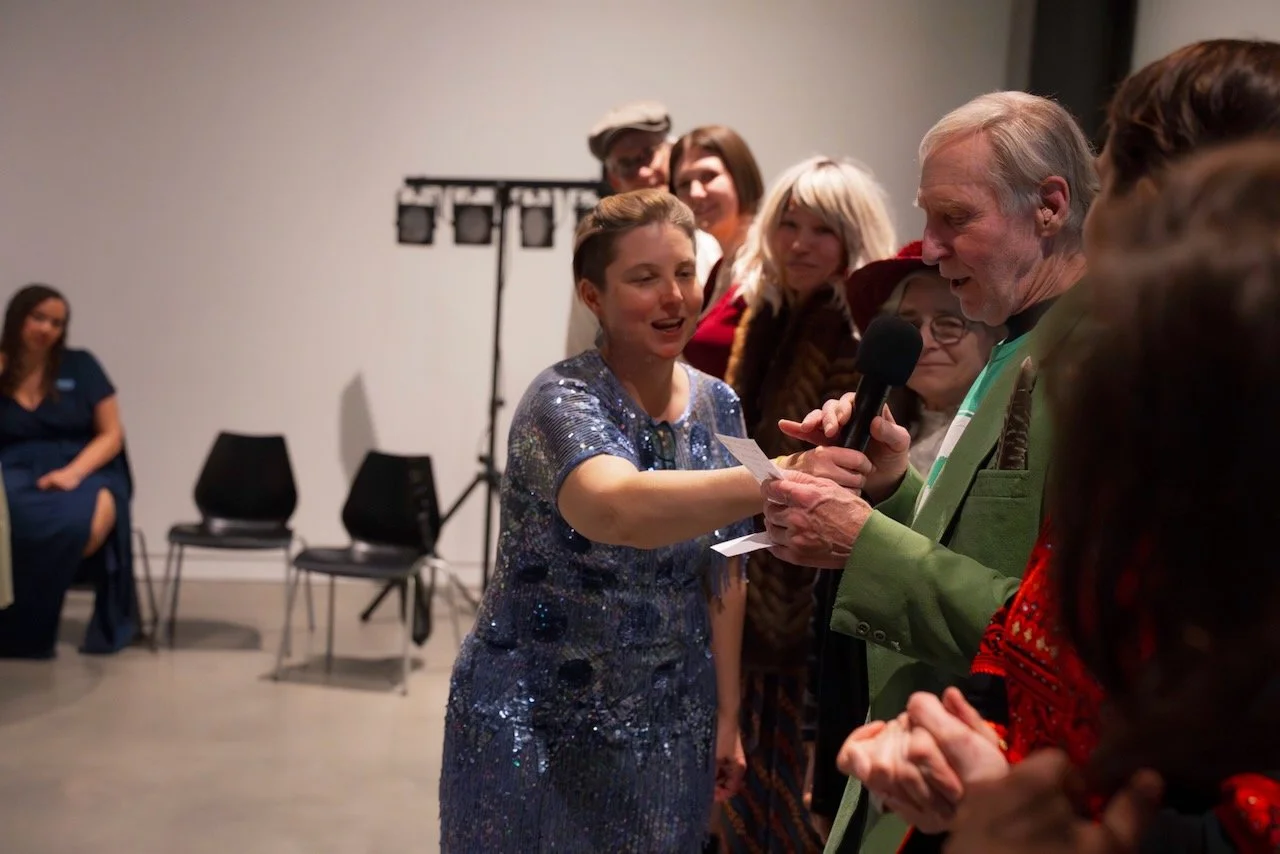
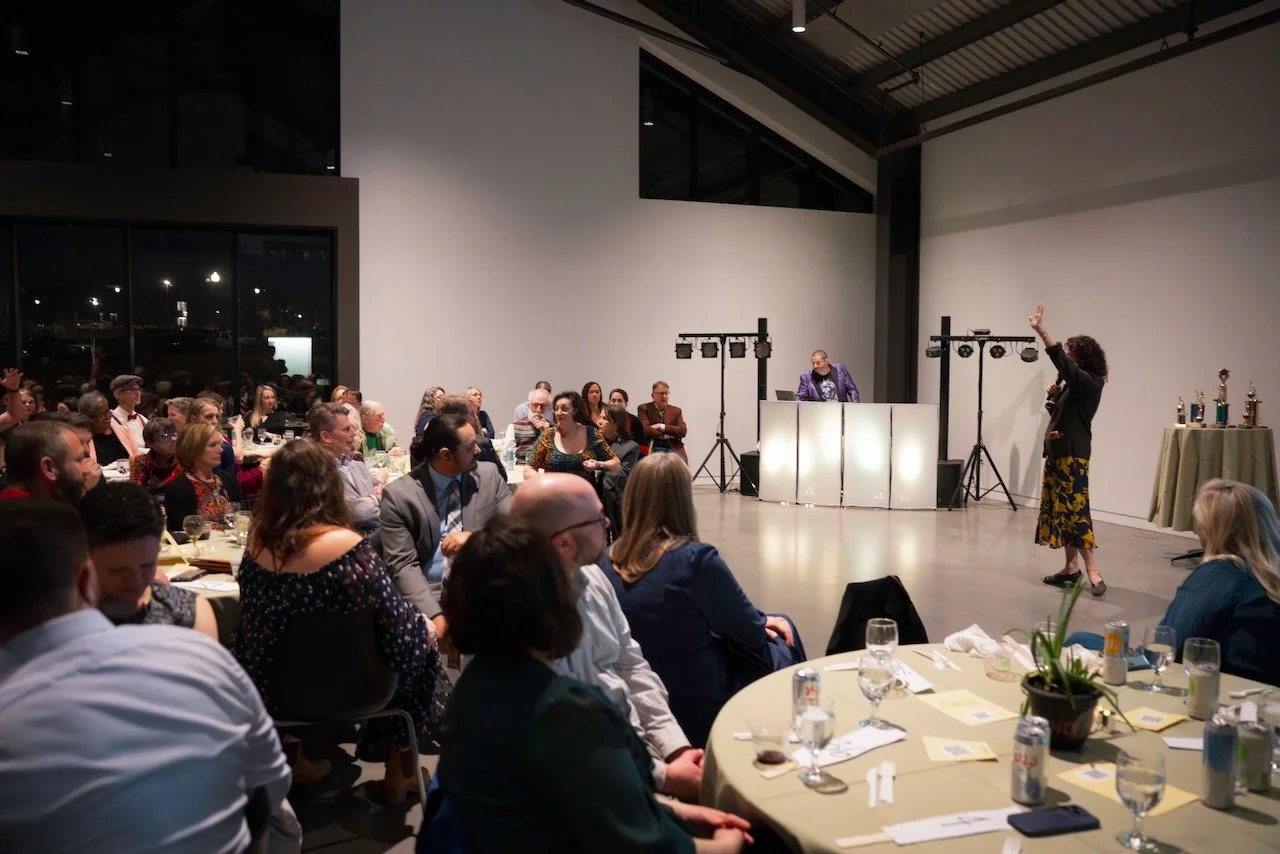
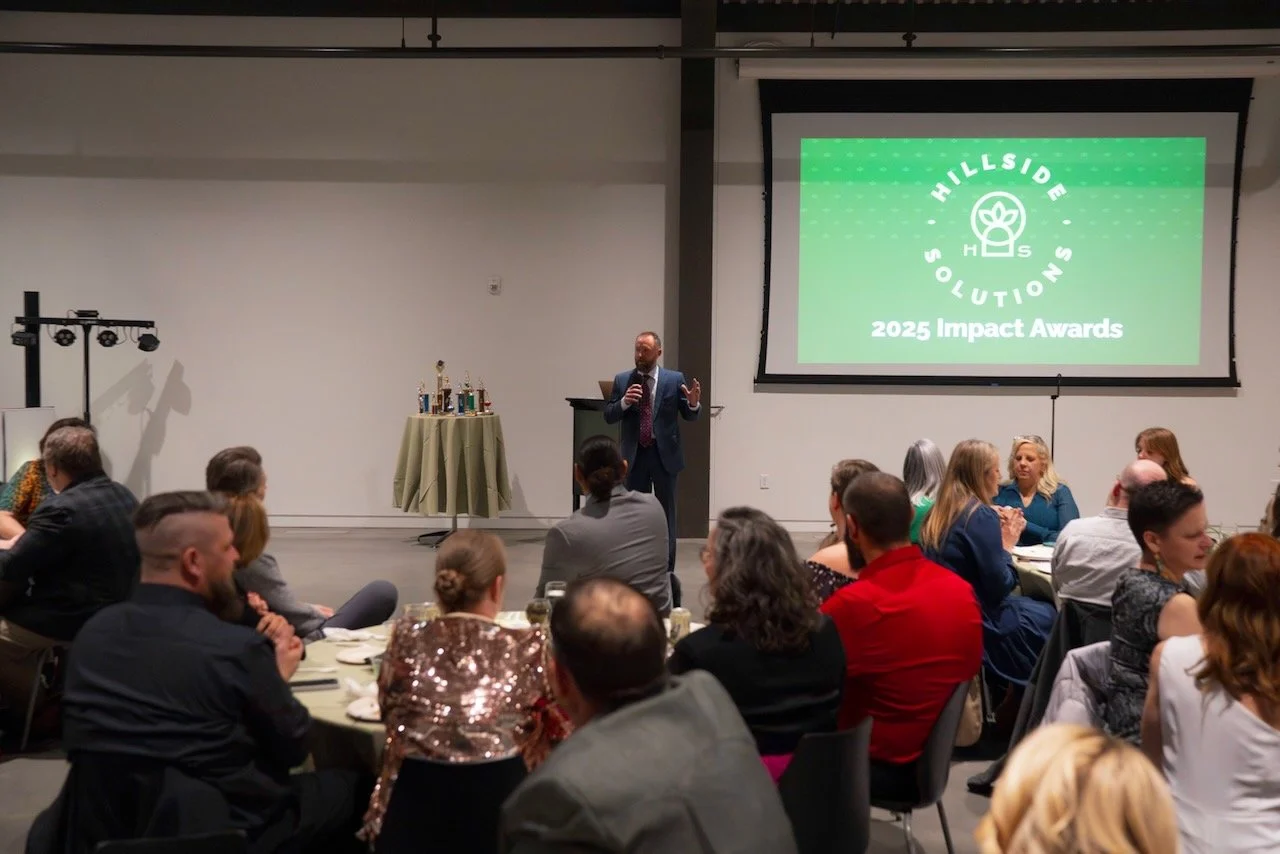
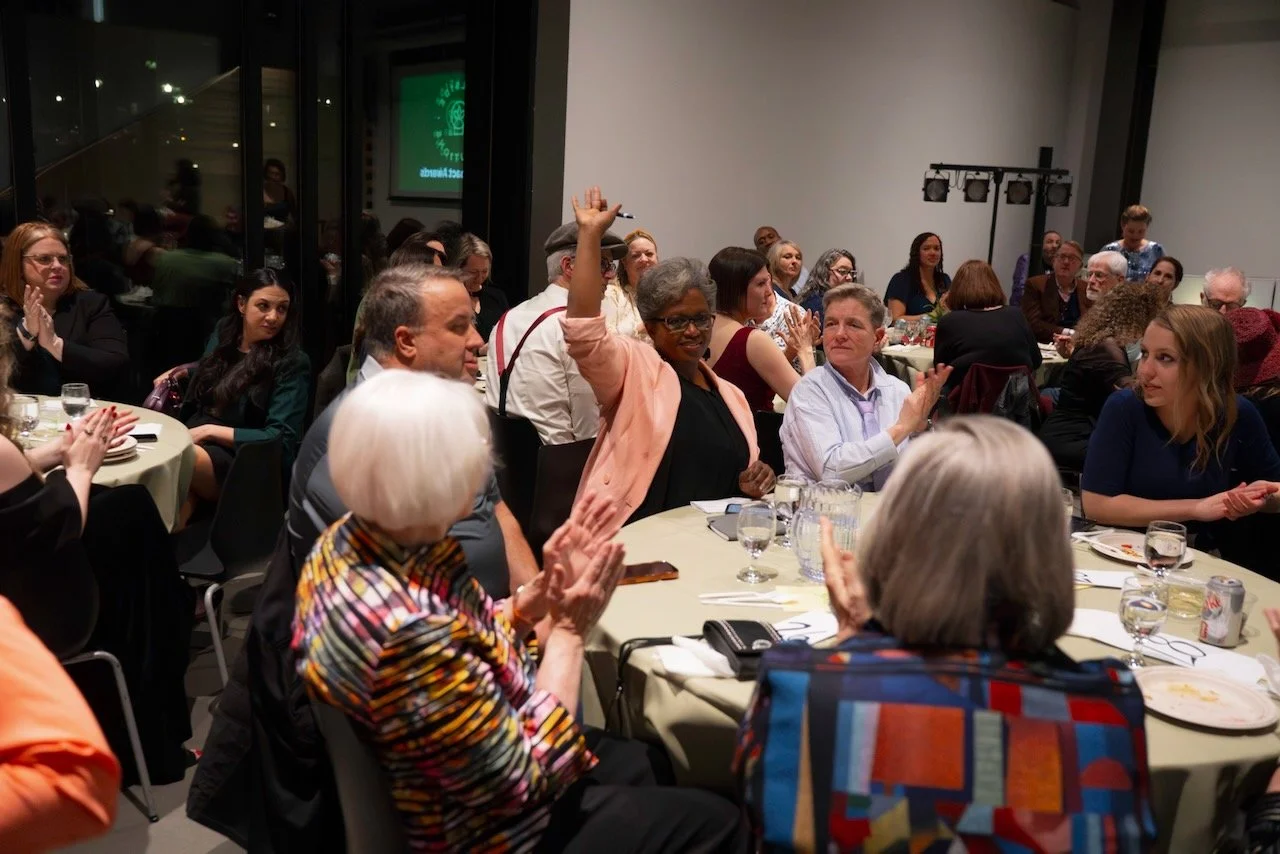
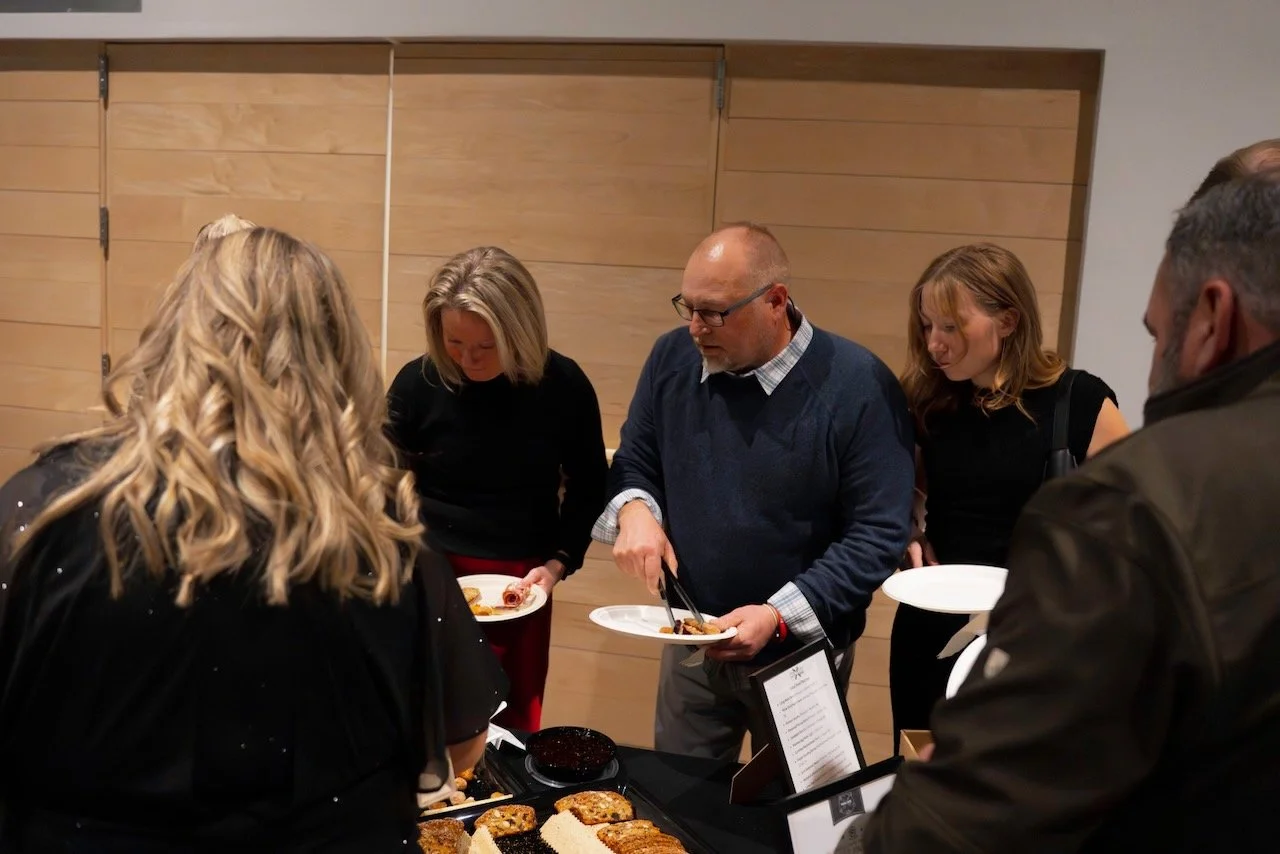
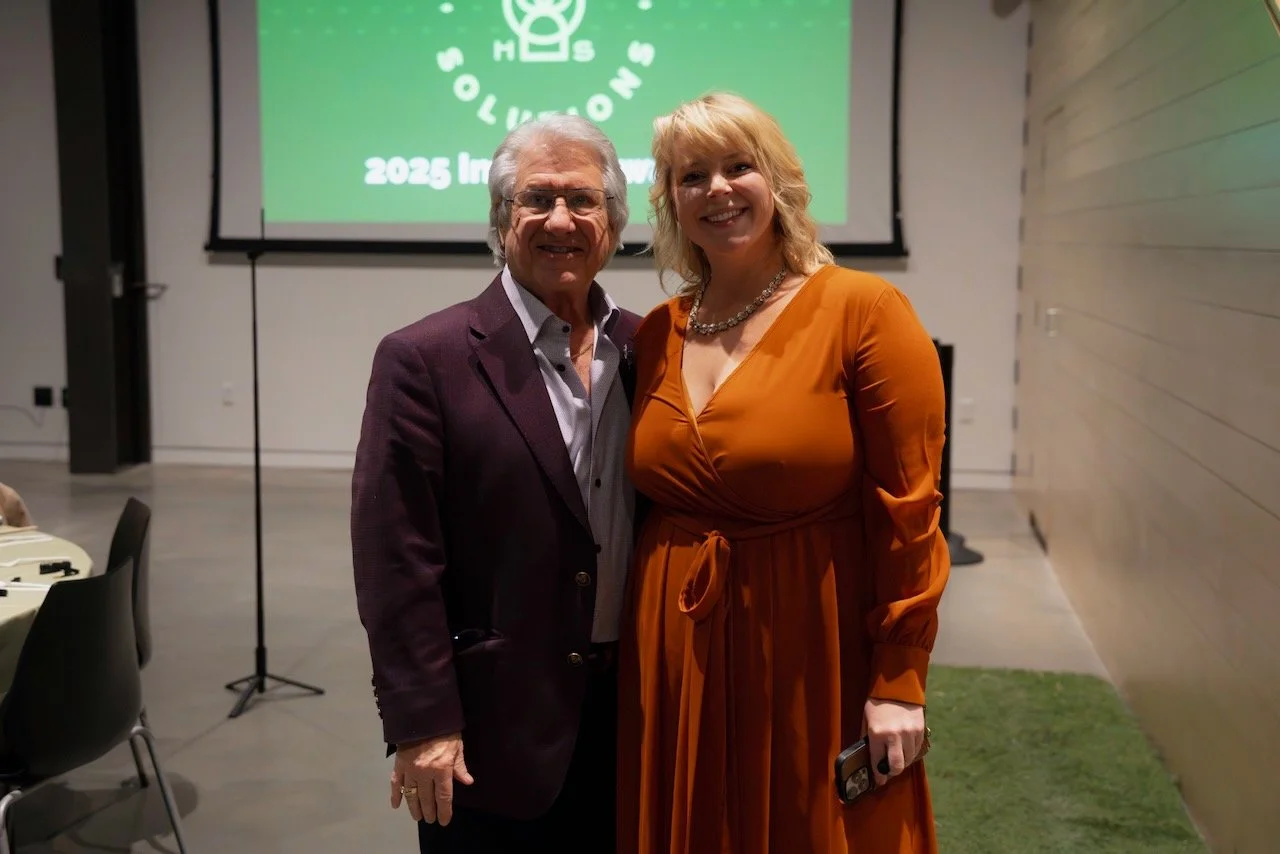
Turn on the news and you'll see plenty of pessimistic climate stories. But on one night this past winter, we got to tell a very different one.
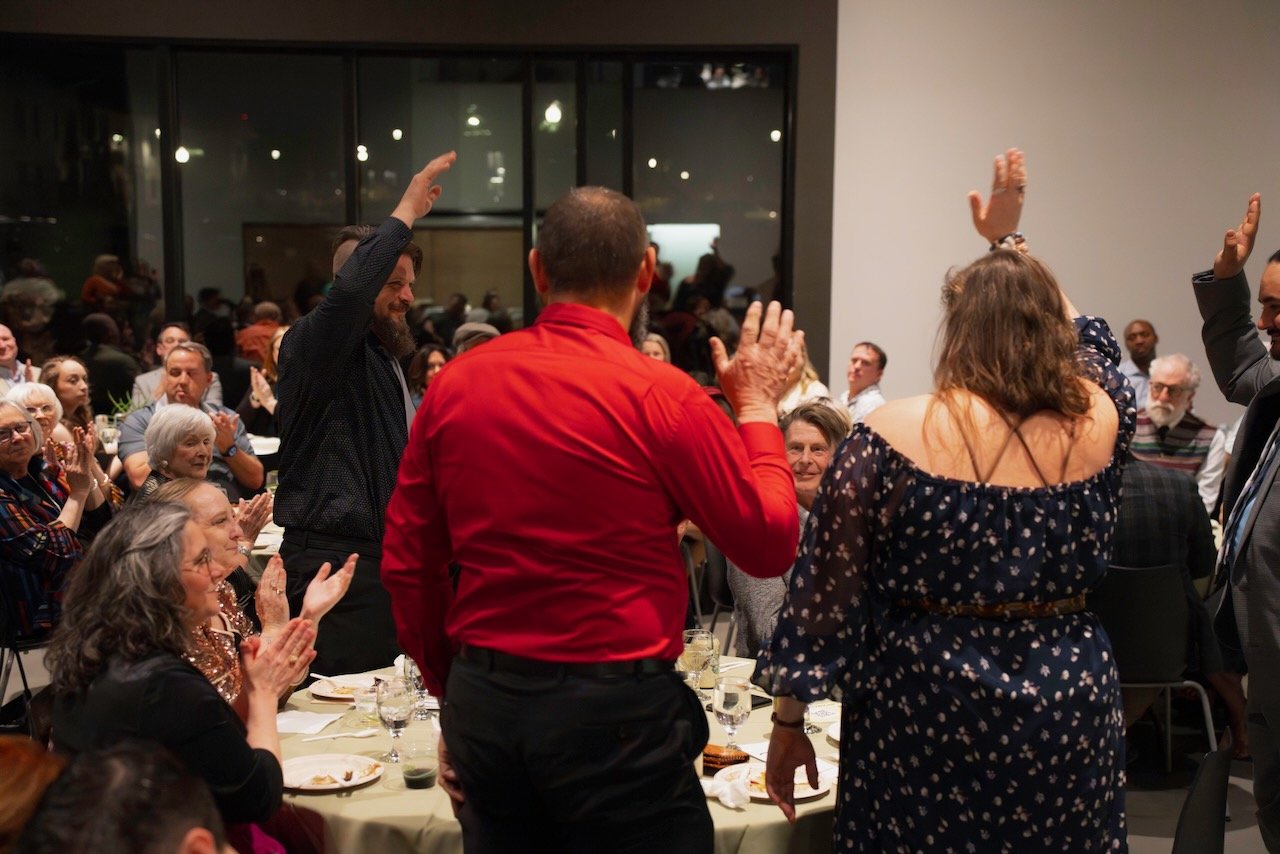
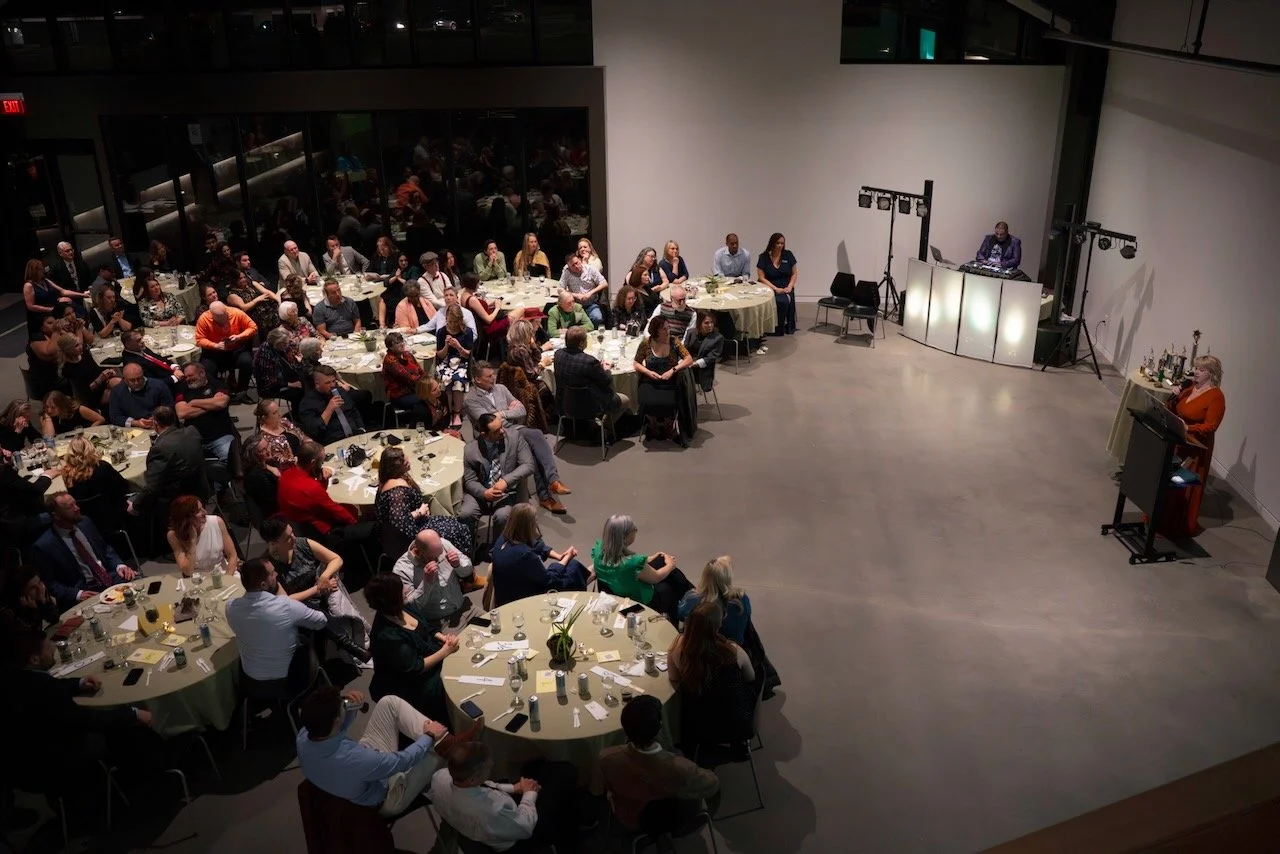
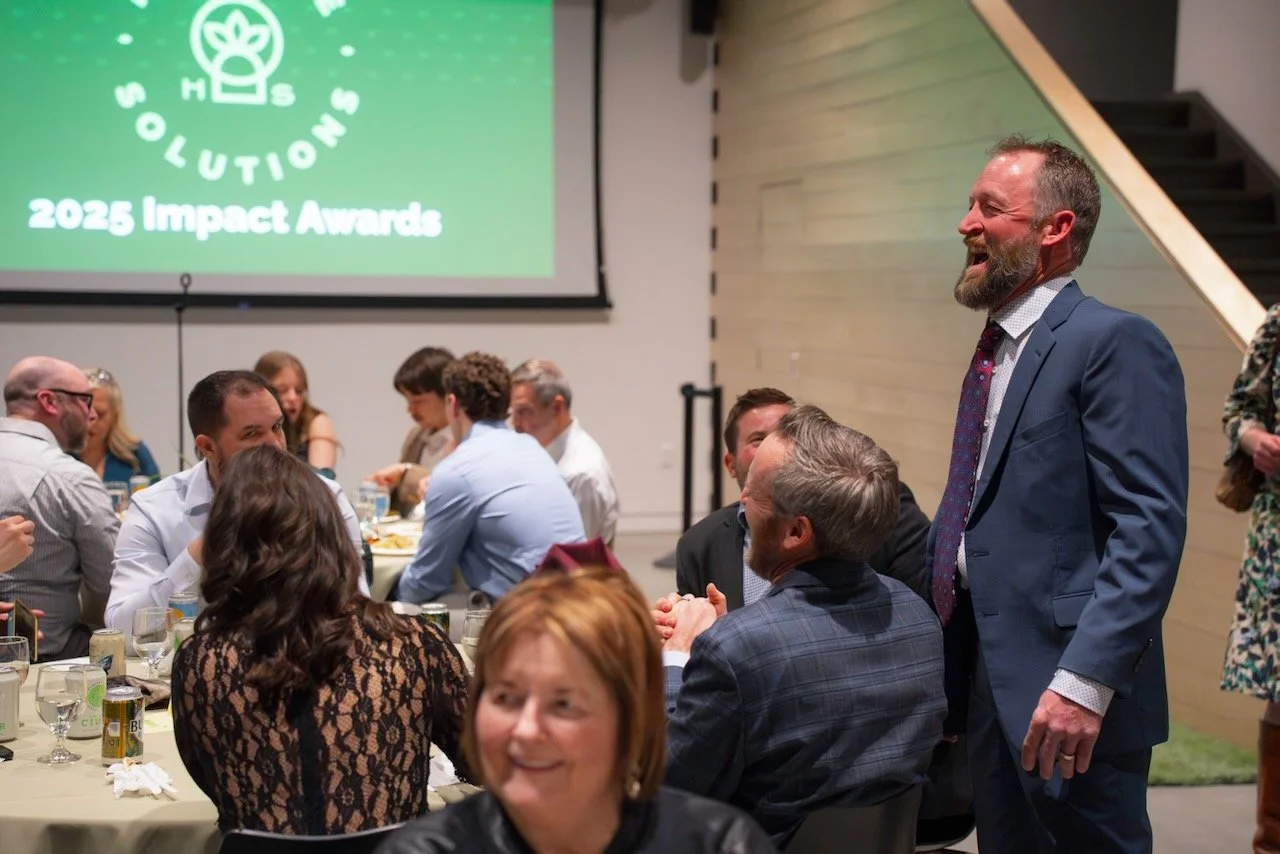
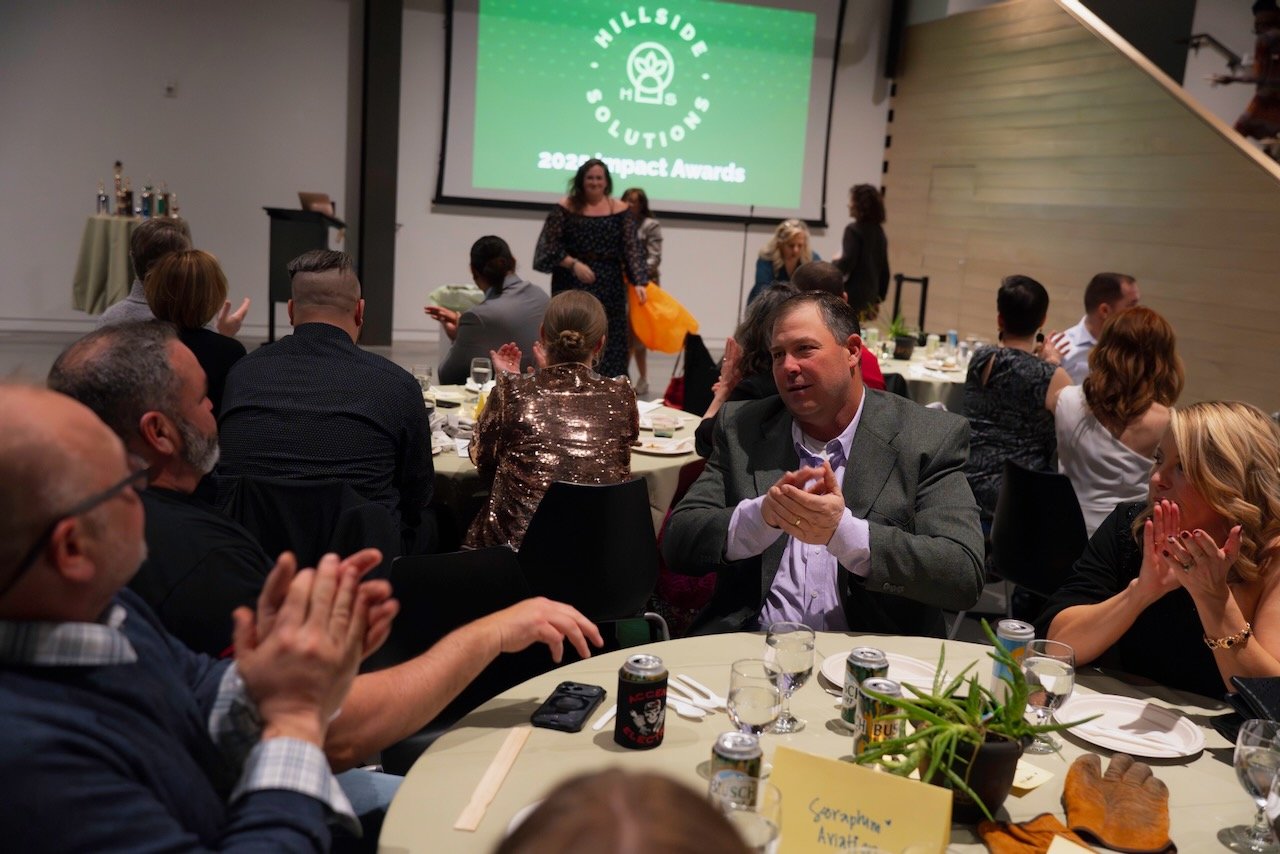
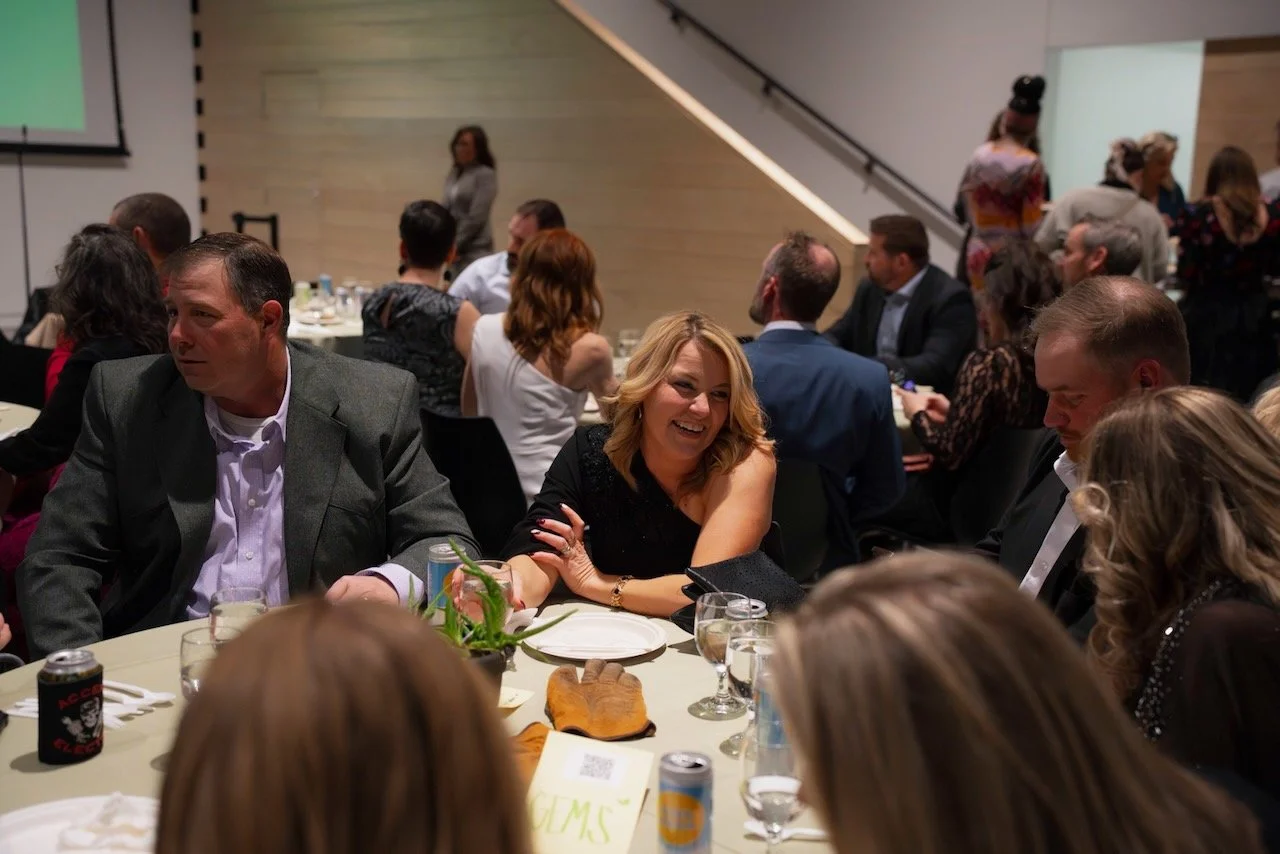
We packed the Highlander’s event venue for the Hillside Impact Awards Gala — a full house of sustainability leaders, educators, business owners, and neighbors who believe Omaha can do better. And then we proved it.
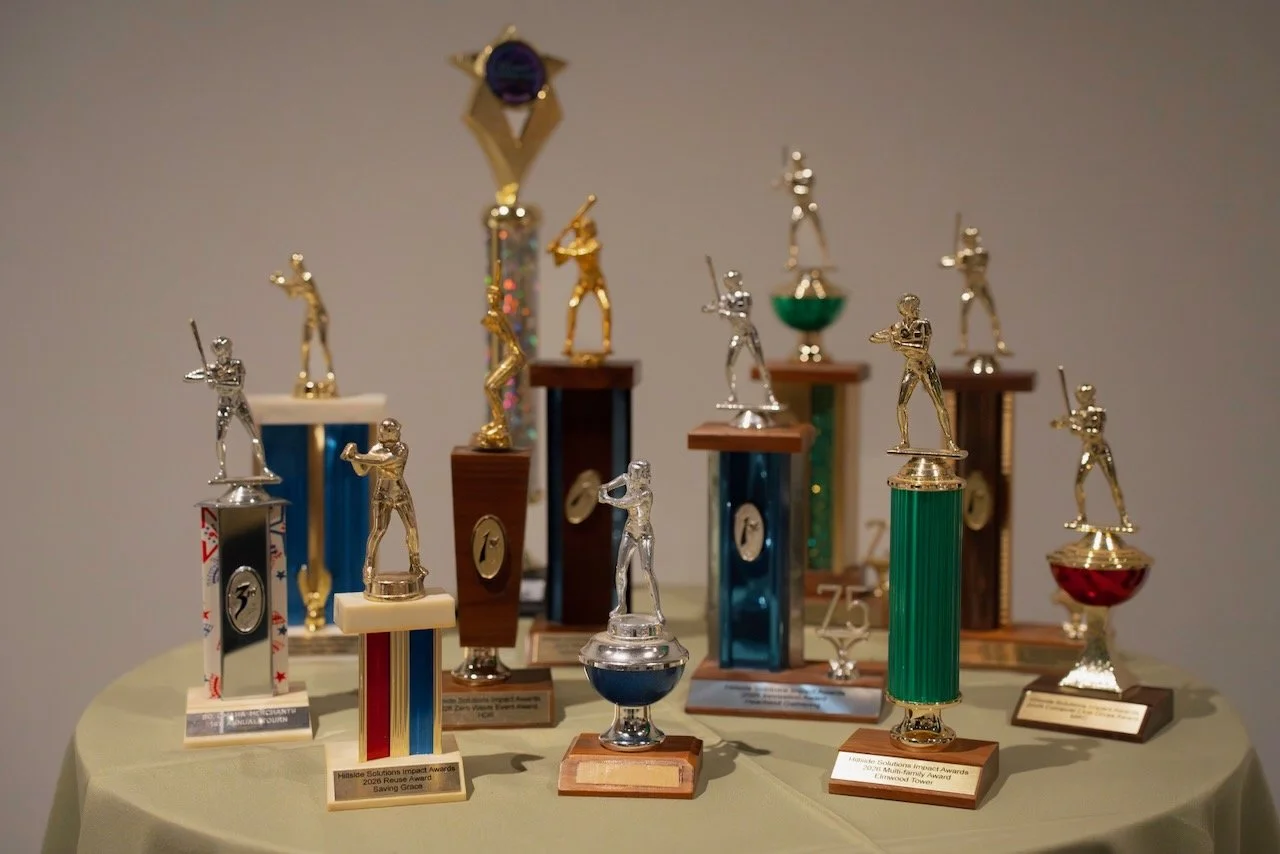
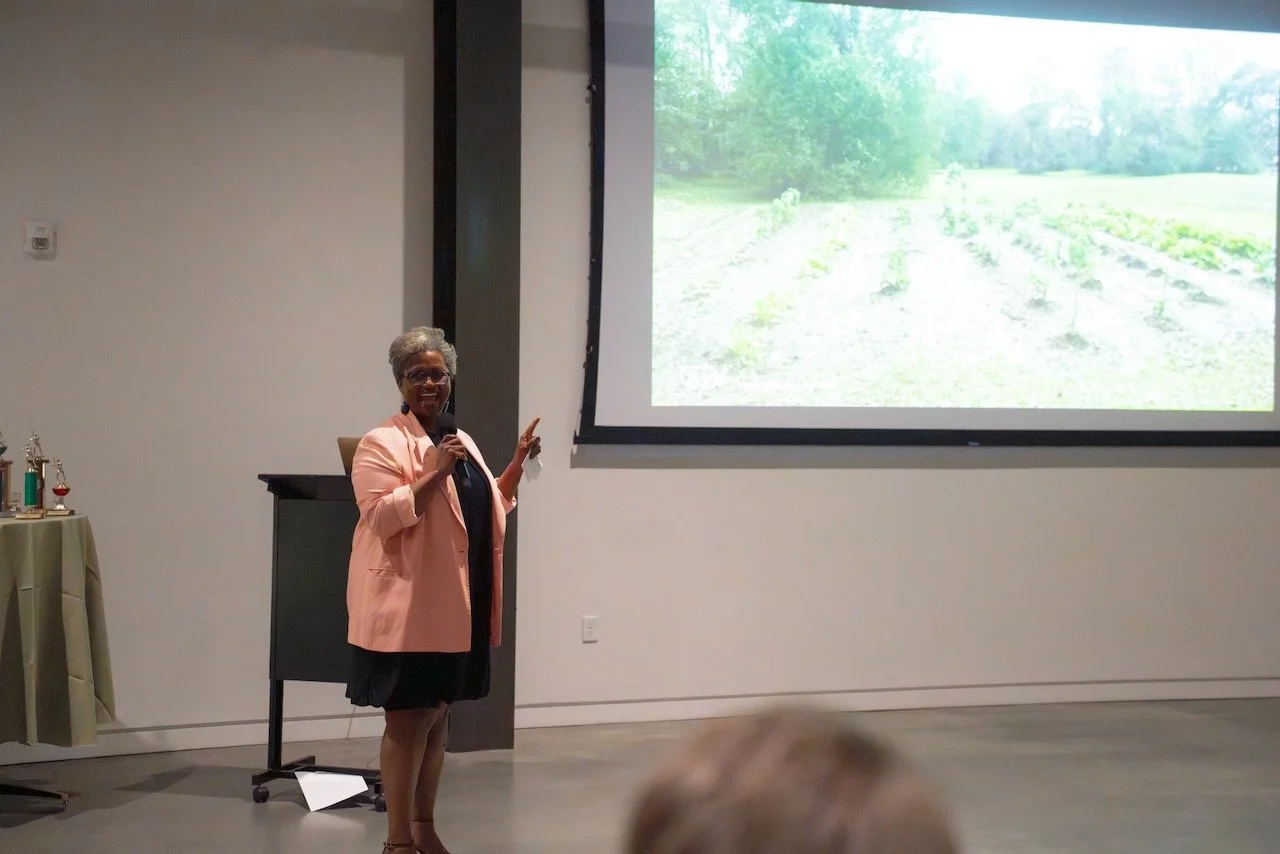
Nancy Williams — Omaha food systems leader and co-founder of No More Empty Pots — shared her story and vision for a thriving, equitable food future. Then we sat down for a locally sourced dinner, handed out repurposed bowling trophies to ten organizations doing remarkable work, and closed the night on the dance floor.
But before we got to dancing, we held a paddle raise — a live fundraiser to directly support Hillside Fund's school composting programs. The generosity in that room was real, and every dollar raised goes toward expanding access to composting in Omaha schools.
This is the recap. Here are the ten organizations and individuals who earned a bowling trophy in 2025 — and what they did to get it.
But first, thank you to our sponsors.
None of this happens without community support. We're deeply grateful to the sponsors who helped make this night possible:
LiveWell DressWell // Green Bellevue // Metonic Real Estate Solutions // Monarch Joint Venture // Jensen Gardens Inc // Omaha Community Foundation // Clothes Mentor Omaha // Kevin Thompson of FNBO // All American Insurance // Sanitation Products // Seraphim Aviation // Bria Smiles // Kaleb Duncan Photography // Kat Snaps Photography // JSS Charitable Trust
The 2025 Hillside Impact Award Winners
🏆 Biggest Impact Award
Levy Restaurants at MECCA’s CHI Health Center
Omaha's busiest conference center and arena — CHI Health Center — composted 93 tons of food waste in a single year.
That didn't happen by accident. Levy Restaurants, the venue's food and beverage partner, uses a waste tracking system called Waste Not 2.0 that changed how their entire operation handles food. What started in the main kitchen expanded to coffee prep, then to concessions at Creighton basketball games. They even donate usable food to Saving Grace Food Rescue.
This is what it looks like when a major venue decides to go all-in. So we're proud to hand this one to Levy Restaurants at CHI Health Center.
You can do the same — here's how:
Set up a scale in the kitchen and weigh every piece of food that doesn’t get served. Use Waste Not 2.0 or set-up a your own tracking system using our DIY template.
Partner with a food rescue organization like Saving Grace to divert usable food before it hits the compost bin. Here’s their contact form.
Start with your highest-volume waste stream (usually food prep) and expand from there. This is the easiest stuff to compost since it’s in what we call a “controlled environment.” If you decide to go front-of-house, give us a call, as it’s tricky.
Ready to get started? Start a zero waste program at your venue or business →
🏆 Compost Club Gives Award
Montessori Children's Room
At Montessori Children's Room in Omaha, lunch scraps go to a composting facility, come back as finished compost, grow vegetables in the school garden, and end up back on the kids' plates. Then the whole thing starts over.
It's a fully circular food system — powered by elementary students. The compost that feeds their garden was donated in part by 1,800 Compost Club households across Omaha through our Compost Club Gives program.
These kids don't think any of this is special. To them, it's just how things work. Which is exactly how it should be.
You can do the same — here's how:
Start a composting program at your school — we handle weekly pickup and have an onboarding process tested at 20+ schools.
Connect your school food garden to the Compost Club Gives program to receive donated soil credits from composting households.
Build the loop: food scraps → compost → garden → food → back to students. The whole thing works better when it's visible to kids.
Ready to get started? Start a school composting program →
🏆 Reuse Award
Saving Grace Perishable Food Rescue
A catering company makes 300 sandwiches. A storm hits. Ten people show up. In most cities, those 290 sandwiches go in the trash. In Omaha, there's a phone number you can call.
Saving Grace Perishable Food Rescue operates a fleet of 5 refrigerated trucks that pick up surplus food from restaurants, caterers, and grocers — often the same day — and deliver it directly to shelters and food pantries. The pickup is free. The delivery is free. The entire service costs the donor nothing.
Since 2013, they've rescued nearly 10 million pounds of food. They started with 1 truck and 3 donors. Today they work with over 115 donor locations and 45 nonprofit partners. They even launched a 24/7 community fridge in North Omaha — and the food goes so fast there's rarely anything left to compost.
You can do the same — here's how:
If your business or event generates surplus perishable food, reach out to Saving Grace — pickup is free and fast: savinggracefoodrescue.org
For what can't be rescued, composting is the next best step. Contact us for a commercial composting quote.
Pair food rescue with a composting program so nothing edible goes to the landfill and nothing compostable gets wasted either.
Ready to get started? Set up composting for your business →
🏆 Resilience Award
National Indemnity
In 2019, National Indemnity walked into our office and said they wanted to start composting. Then COVID happened. Most companies would've let that conversation die.
They didn't.
This Berkshire Hathaway company hired a sustainability consultant, built a floor-by-floor rollout plan across their 13-story downtown Omaha headquarters, trained 1,400 employees, and launched a program that now diverts 50,000 pounds of compostable material per year — including food waste, compostable serviceware, and paper towels from every restroom in the building. They even created a custom laminated sorting guide for their cleaning crew at the loading dock.
Six years from first conversation to full implementation. That's not slow — that's building something right.
You can do the same — here's how:
Don't wait for the perfect moment. Start the conversation with us now and build a rollout timeline that works for your organization.
For large, multi-floor buildings: plan by floor, train department by department, and build in a quality-check process for after-hours cleaning crews.
Create custom signage and sorting guides for your specific waste streams — generic posters don't stick. We can help with this. View our templates and check out their cleaning crew reference guide.
Ready to get started? Start a composting program at your office →
🏆 Multi-Family Award
Elmwood Tower
Elmwood Tower is a 23-story, 219-unit independent living high-rise in midtown Omaha. Their residents are all 55 and older. They used to fill a 28-yard trash compactor six days a week.
Now they use an 8-yard dumpster on the same schedule. That's one-third the volume.
They recycle 64 gallons of bottles every week. (If you're curious what's in there, the residents will happily tell you: mostly wine bottles.)
They requested custom signage, community board flyers, and QR codes so every resident could print their own sorting guide. No other multi-family building in our service area has ever asked for that level of customization. Because no other building cares this much.
You can do the same — here's how:
Start with a waste audit to understand what's going in your dumpster — you might be surprised how much is recyclable.
Make it easy for residents with clear, visible signage at every waste station. Custom materials go a long way. Here’s the resident one-sheet we used to spread the word.
For glass-heavy properties: we offer glass recycling pickup that keeps bottles out of the landfill.
Ready to get started? Bring recycling and composting to your property →
🏆 Zero Waste Event Award
HDR
HDR designs hospitals, bridges, and airports in over 60 countries. Their world headquarters is a 10-story LEED Gold building right here in Omaha. When they hosted a multi-day employee conference at CHI Health Center, they came to us with a simple ask: make this zero waste.
In January 2025, their event generated 4,102 pounds of material and diverted 91.8% from the landfill. In November, attendance more than doubled: 8,673 pounds of material, 96.1% diverted.
But here's what's remarkable: the amount going to the landfill barely changed. 335 pounds in January. 341 in November. The event got bigger. The waste didn't.
You can do the same — here's how:
Plan zero waste before the event — not during. Work with your vendors and caterers ahead of time to align on compostable serviceware and waste sorting.
Staff your zero waste stations with educated volunteers or Hillside staff who can guide attendees in real time. Here’s the posters we used.
Request a post-event diversion report. The data tells the story — and it's a great marketing asset for future events. Here’s a past report we provided them.
Ready to get started? Make your next event zero waste →
🏆 Eco-Friendly School Award
Castelar Elementary School
Out of every school in Omaha Public Schools, the one with the most eco-friendly lunchroom isn't a magnet school or a private academy. It's a dual-language elementary in South Omaha where most of the students are learning in both English and Spanish.
During launch week, Castelar Elementary hit a 71% landfill diversion rate.
Most schools in our program compost their food waste. Castelar took it further. They added a Hefty ReNew station for soft plastics like snack wrappers and ziplock bags, which get turned into compressed lumber for local projects.
Five-year-olds through ten-year-olds sorting their own lunch waste. Every day. That's the bar.
You can do the same — here's how:
Composting alone is a great start — our school program includes weekly pickup and an onboarding guide tested at 20+ schools across Omaha.
Add a Hefty Renew station to catch soft plastics like snack wrappers and ziplock bags that can't go in standard recycling. Here’s our Hefty guide.
Get the lunchroom staff trained first. When adults lead, kids follow — fast.
Ready to get started? Start a school composting program →
🏆 Implementation Award
St. Vincent de Paul Catholic Church
In 2015, Pope Francis issued a global call to every Catholic parish on Earth: protect creation. Most parishes heard the message. St. Vincent de Paul Catholic Church in West Omaha did something about it.
They used to fill an 8-yard dumpster every week. All of it went to the landfill. Then their facilities team followed our 12-step zero waste guide from start to finish: color-coded bins, signage above every station, the right liners, full staff training. Six recycling carts for cardboard and cans from their food pantry. A compost dumpster for the banquet halls. Compostable serviceware throughout the kitchen.
Today, 50–75% of their waste is composted and recycled. And their next goal? Bringing these practices to the attached school.
You can do the same — here's how:
Use our free 12-Step Zero Waste Guide — it's exactly what St. Vincent de Paul followed, and it works for churches, nonprofits, and businesses of any size.
Start with your highest-volume waste events (banquets, Sunday services, food pantry operations) and build outward.
Switch to compostable serviceware in kitchens and coffee stations — it's the single easiest way to dramatically reduce landfill waste. Contact us for a quote on compostable products.
Ready to get started? Download the free 12-Step Zero Waste Guide →
🏆 Innovation Award
Omani Carson x Heartland Gathering
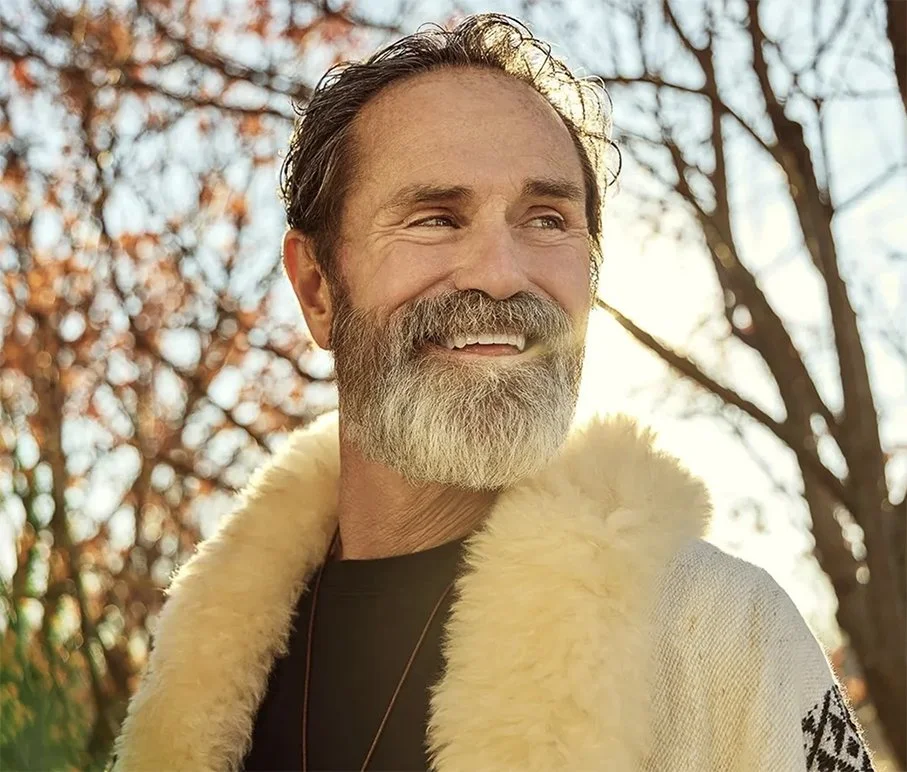
Take 400 people from around the world. Put them on open land in Nebraska for four days. Add live music, shared meals, art, ceremony, and conversation. Now try to make it zero waste.
No permanent venue. No loading dock. No existing infrastructure. Just fields, stages, and a vision.
The Heartland Gathering — created by Omani Carson as a convergence for visionary leaders, artists, builders, and healers — partnered with Hillside Solutions to build an entirely new waste management system from scratch.
Seven separate waste streams: compost, container recycling, fiber recycling, soft plastics, glass, tobacco waste, and landfill. Two tiers of zero waste stations spread across the grounds. A zero waste team with rotating ambassadors hauling material by golf cart to a central collection point. Fire-safe tobacco bins with sand tops. Food-grade buckets capturing used cooking oil.
Most events treat waste as an afterthought. The Heartland Gathering treated it as a design problem. That's why it worked.
You can do the same — here's how:
For outdoor or festival-style events: identify your unique waste streams early — tobacco, cooking oil, and soft plastics all need their own plan.
Build a zero waste team with dedicated ambassadors stationed at collection points. Passive signage alone won't get you there.
Treat waste infrastructure as part of your event design, not a logistical detail to sort out at the end.
Ready to get started? Design a custom zero waste plan for your event →
🏆 Producer Responsibility Award
Kent Holm, Director of Environmental Services for Douglas County
This award is new. We've never given it before. And we created it specifically because of what Kent Holm accomplished this year.
Kent is the Director of Environmental Services for Douglas County. If you work in waste, recycling, or sustainability anywhere in the Omaha metro, you've either worked with Kent, been in a meeting Kent organized, or benefited from something Kent helped put in motion.
Lithium-ion batteries were being thrown in the trash, ending up in garbage trucks and recycling facilities, and starting fires — including two of our own trucks. It was a public safety crisis getting worse every year, and nobody had a solution at scale.
Kent brought together state officials, local governments, and national policy organizations and led the effort to draft legislation that would fix the problem — not with taxpayer money, but by holding battery producers responsible for the safe collection and recycling of their own products.
On May 20th, 2025, Governor Pillen signed the Safe Battery Collection and Recycling Act into law. It is the first extended producer responsibility law in the history of the state of Nebraska.
Nebraska is now being held up nationally as a model for other states. And because it's the first EPR law in our state, it doesn't just solve the battery problem — it opens the door for more.
Kent, you've spent your career making Douglas County a better place to live. This year, you made Nebraska a model for the country.
You can do the same — here's how:
Never put lithium-ion batteries in the trash or recycling — they're a fire hazard. Drop them off at designated battery collection sites. We have one at our Gretna HQ!
Businesses: audit your battery waste. Laptops, phones, power tools, and equipment all contain lithium-ion batteries that need proper disposal. We recommend Motherboard for responsible disposal.
Stay tuned — Nebraska's new EPR law will create more accessible collection infrastructure as it rolls out.
Ready to get started? Find out how to handle battery and hazardous waste properly →
As We Look Back — and Forward
Sustainability isn't a solo sport. It never was. What you saw tonight — in these ten stories — is what happens when businesses, schools, churches, nonprofits, and neighbors decide to be part of something bigger than their own bottom line.
These are your neighbors. Your vendors. Your kids' schools. And they're proving, one compost bin and one recycled bottle at a time, that better is possible.
We can't wait to see what this community builds next.
(Also: back to Facebook Marketplace to find trophies for next year.)
Want In? Here's How to Be Part of This.
1. Start Your Own Recycling, Composting, or Zero Waste Program
If any of the winners inspired you — whether you run a business, manage a building, organize events, or lead a church — we want to hear from you. We'll help you figure out where to start and what's actually achievable for your organization.
Contact us to start the conversation →
2. Join Our New Curbside Compost Club
We now offer curbside composting pickup for Omaha residents. No drop-off. No hassle. Just set it out and we'll handle the rest. Your food scraps become finished compost — and if you want, you can donate your soil credits back to schools and community gardens through Compost Club Gives.
Sign up for Curbside Compost Club →
3. Support the Hillside Fund
The Hillside Fund is our nonprofit arm — and every dollar supports programs that expand composting access in Omaha schools, help farmers reduce chemical fertilizers on local crops, and bring curbside composting to low-income households who couldn't otherwise afford it.
You can make a donation, join our newsletter, or both. Even $10 a month makes a real difference.
Visit hillsidefund.org to donate or sign up →
Thank you for reading. Thank you for showing up. And thank you for keeping it circular.
— The Hillside Solutions & Hillside Fund Team